

Cafetal Francés La Isabélica
Santiago de Cuba
A restored mountain coffee estate, high on the Gran Piedra road.
The mountain plantations of the east, and Cuba's chocolate town
Coffee came to the eastern mountains at the end of the eighteenth century and was planted on terraces cut into slopes too steep for cane. What survives up there — drying floors, aqueducts, the stone footings of the estate houses — is unusual enough that UNESCO listed the whole landscape in 2000. Cacao is the other mountain crop, concentrated around Baracoa in the far east, where the road only arrived in the 1960s and the chocolate is still made in town.
Coffee is a drive, not a walk: the Gran Piedra road climbs steeply out of Santiago and La Isabélica sits near the top. Baracoa is the base for cacao — the farms and the chocolate works are all within a short run of the town.
A World Heritage landscape since 2000: terraces, drying floors and aqueducts on slopes too steep for anything else.
Municipalities: Sierra Maestra slopes, Santiago and Guantánamo provinces


Cuba's cacao country and its oldest town, reachable overland only since the Farola pass road of the 1960s.
Municipalities: Baracoa
Open on the mapReal, mapped places where the work happens — factories, curing barns, estates, quarries. Each one opens on the atlas map at its own coordinate.
Santiago de Cuba
A restored mountain coffee estate, high on the Gran Piedra road.
Candelaria
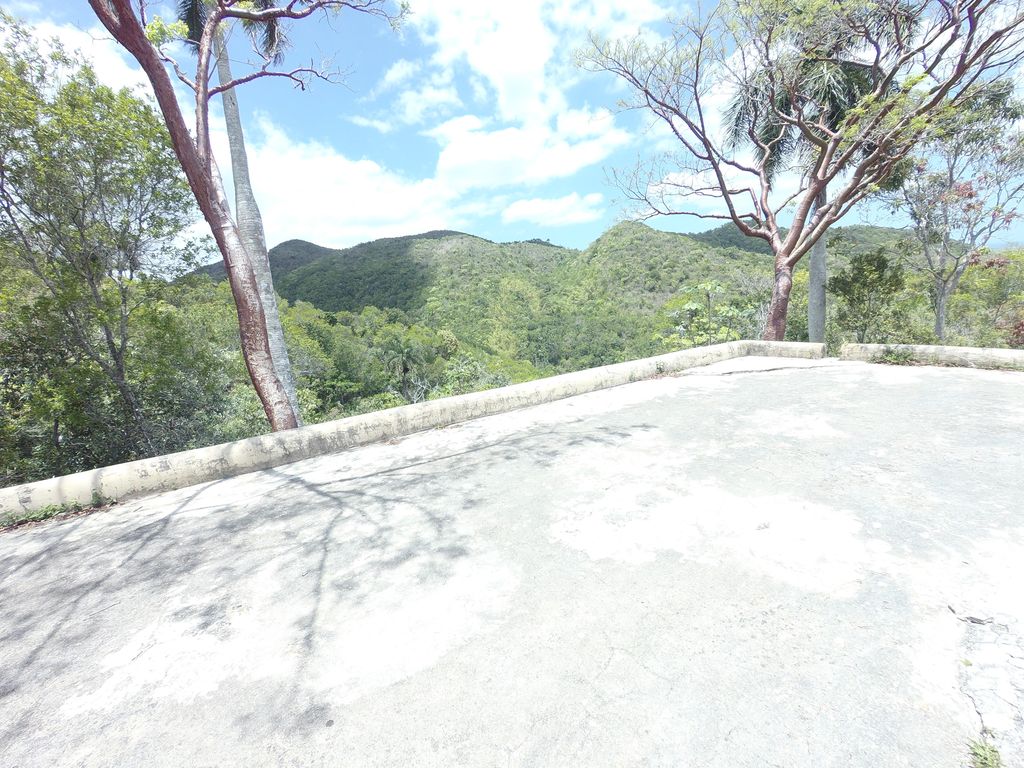
Terraces and drying floors in the Sierra del Rosario.
Candelaria
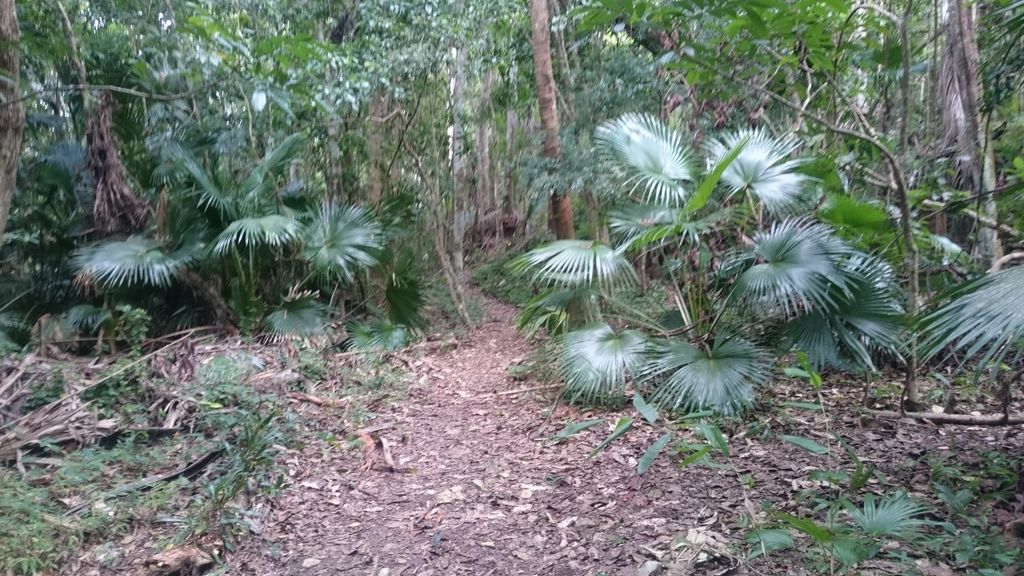
Stone ruins of a hillside coffee estate, deep in the forest.
Baracoa
The town chocolate works, near the mouth of the Toa.
Counters, markets and shops you can actually walk into, with the town each one is in.
Baracoa
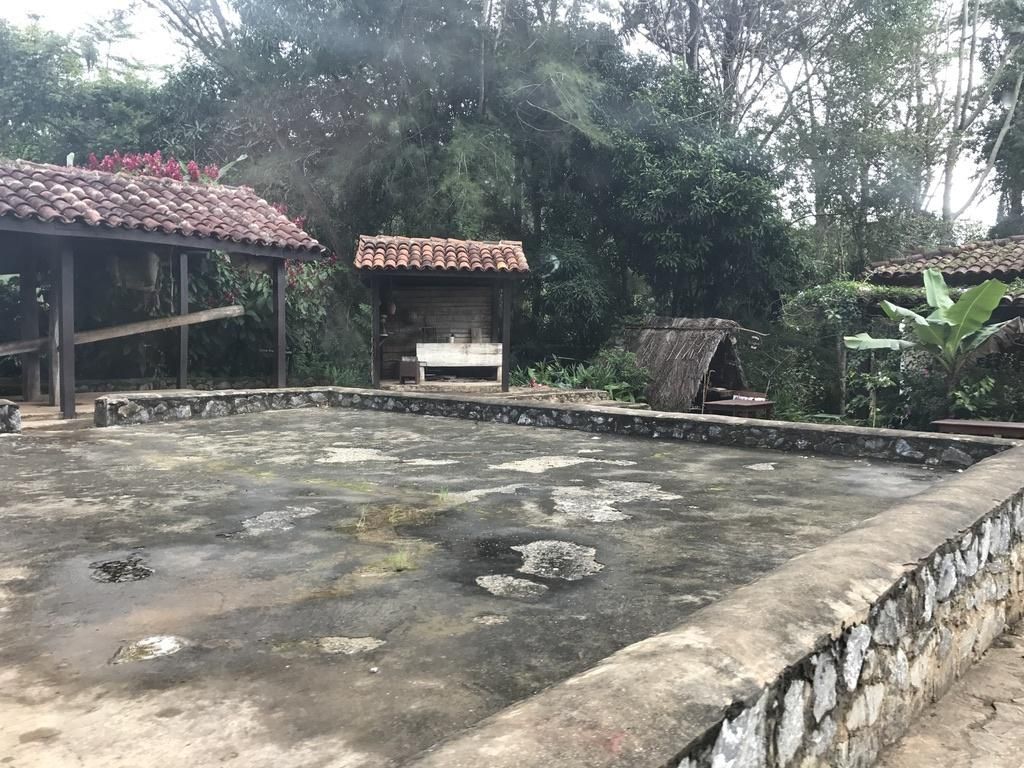
Baracoa's sweet counter — cacao and coconut, made in town.
The museums, trails and music halls that grew up around it.
Santiago de Cuba
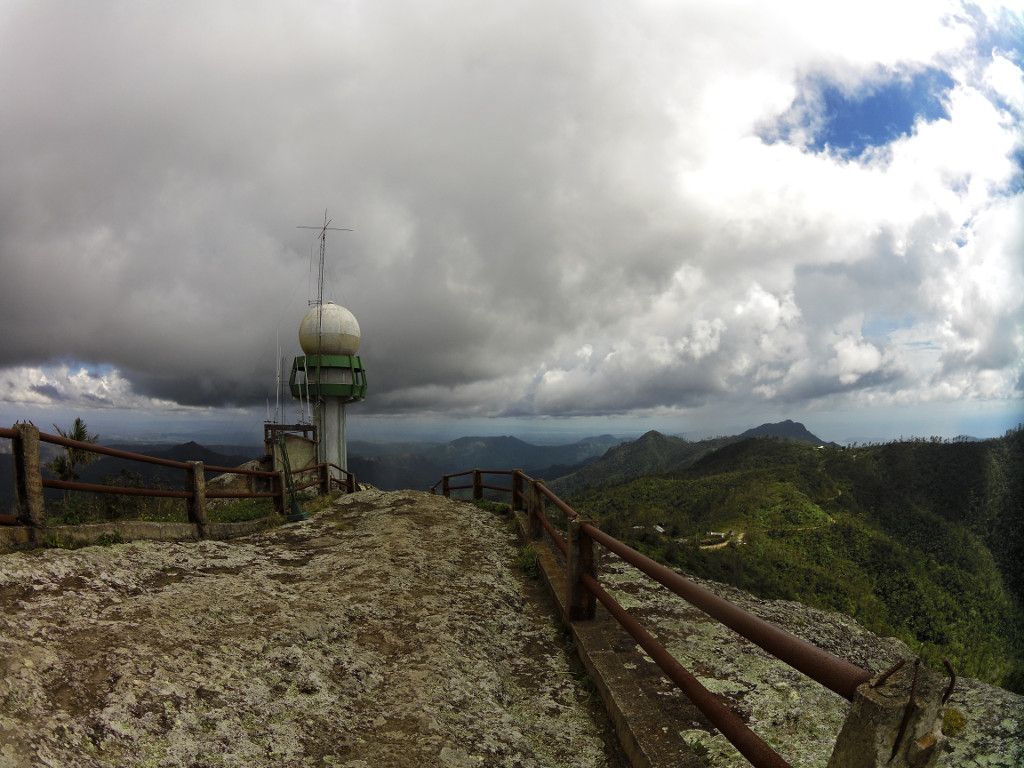
The great rock above the coffee mountains, reached by a stair.
Santiago de Cuba
The trail up through the old plantation belt.
Baracoa
A short walk through cacao, coconut and palm.
Baracoa
A farm visit on the Duaba river, cacao pods and all.
Places from OpenStreetMap contributors (ODbL). Information only — CubaAtlas maps these places, it does not represent or transact with any of them.