

Ronera San José (Havana Club)
San José de las Lajas
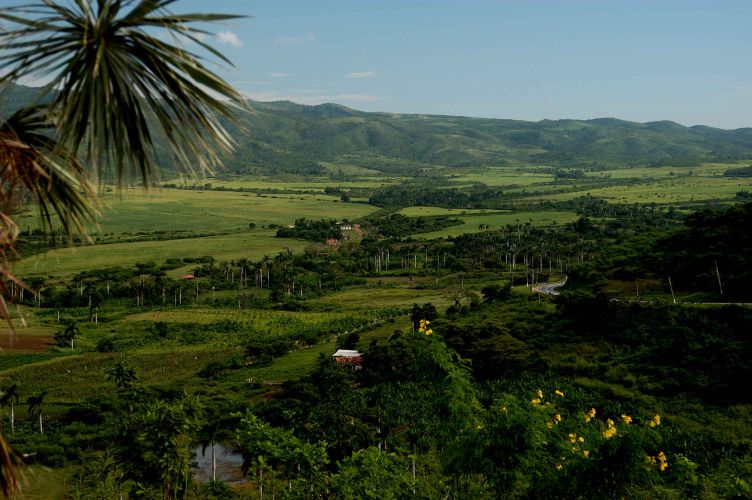
The distillery yard south of Havana, where the barrels rest.
The cane valleys, the mill towns and the distilling coast
Sugar made the island's landscape: the mills, the railways built to serve them, the towns that grew around them, and the fortunes that raised the mansions of Trinidad and Matanzas. Rum is what the mills' molasses became, distilled light and aged in oak. Both stories are still standing in the same places — a valley of ruined mills, a coast of working distilleries.
The Valle de los Ingenios outside Trinidad is the single best place to see what sugar built — a tower you can climb, an estate house you can walk into, and a valley of mill ruins in between. The rum museums in Havana and Santiago cover the other half.
Three linked valleys of mill sites and plantation houses, inscribed with Trinidad itself in 1988.
Municipalities: Trinidad
Open on the mapA mill town of 1916 built complete with an electric railway to the ports — the only line of its kind on the island.
Municipalities: Santa Cruz del Norte, Camilo Cienfuegos
Open on the mapWhere the light Cuban style was worked out in the 1860s, and where it is still made.
Municipalities: Santiago de Cuba
Open on the mapThe flat cane country that fed the north-coast sugar ports, and a distilling town in its own right from 1878.
Municipalities: Cárdenas, Matanzas
Open on the mapReal, mapped places where the work happens — factories, curing barns, estates, quarries. Each one opens on the atlas map at its own coordinate.
San José de las Lajas
The distillery yard south of Havana, where the barrels rest.
Santa Cruz del Norte
The coast distillery east of Havana, beside its own sugar country.
Trinidad
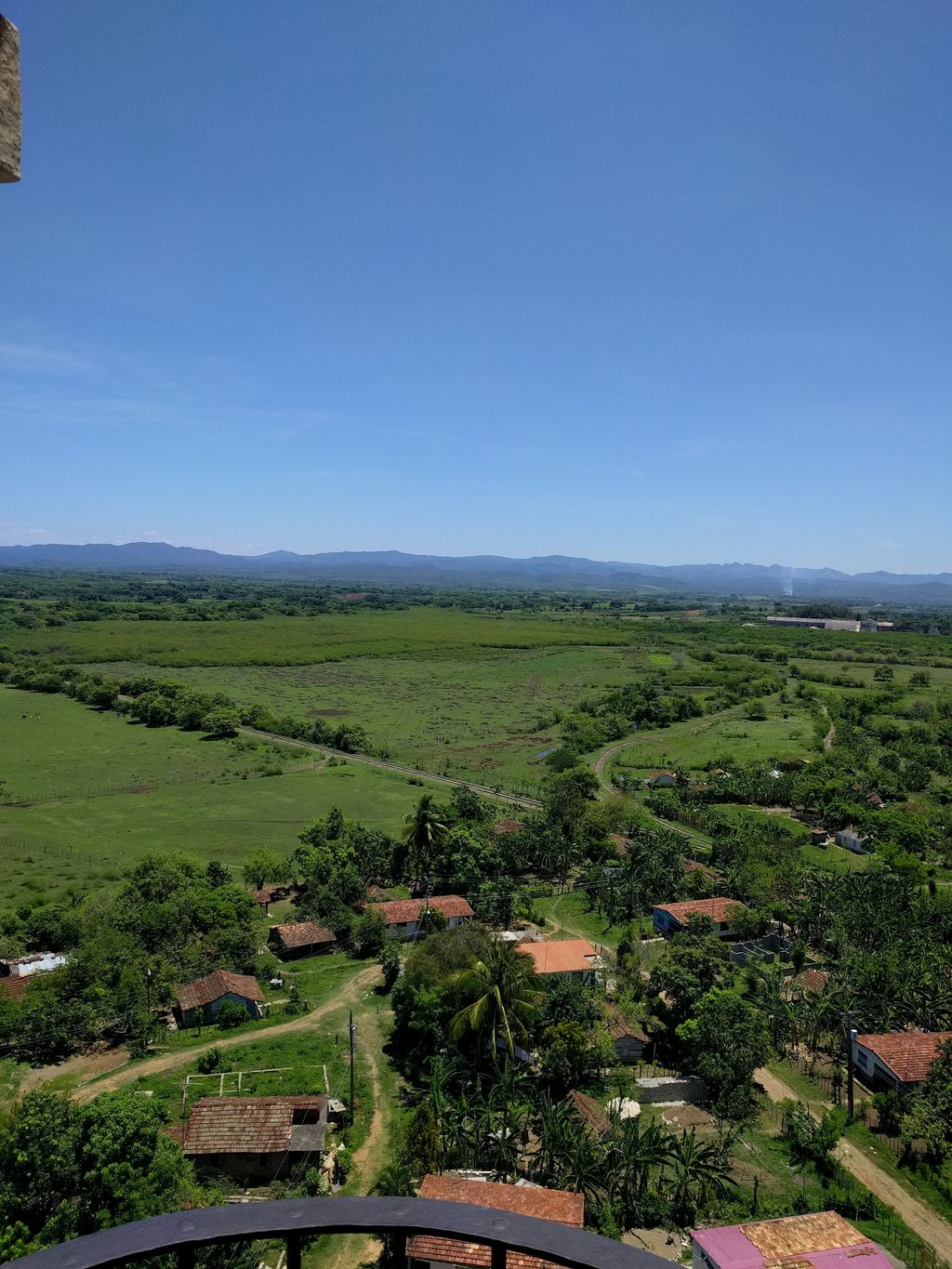
The estate tower over the Valle de los Ingenios — climb it for the whole valley.
Trinidad
The valley's surviving estate house, reached on foot or by the valley train.
Santiago de Cuba
The distilling yard by the harbour where Santiago's rum began in 1862.
Counters, markets and shops you can actually walk into, with the town each one is in.
Santiago de Cuba
The culture-house shop on the road out to the Morro.
Cárdenas
The town shop in Cárdenas, where the Arechabala distillery stood.
The museums, trails and music halls that grew up around it.
Havana
Copper stills, casks and a tasting bar by the harbour.
Santiago de Cuba
Santiago's rum museum, in a colonial house near the harbour.
Havana
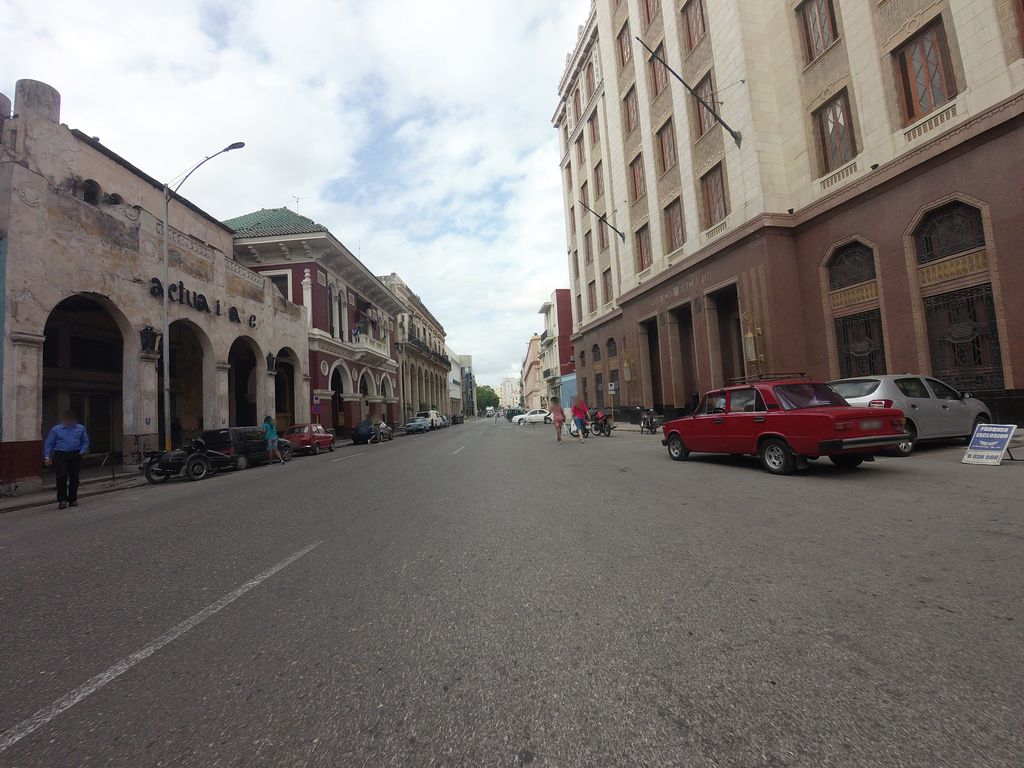
The 1930 art-deco tower the company built for itself.
Caibarién
Steam locomotives that once hauled cane, kept in the open air.
Trinidad
The valley's mill museum, machinery and all.
Places from OpenStreetMap contributors (ODbL). Information only — CubaAtlas maps these places, it does not represent or transact with any of them.
Founding dates and the town each house started in. Later ownership is another subject; this is where they began.
founded · Santiago de Cuba
Founded in Santiago, where the charcoal-filtered light style was worked out.
founded · Cárdenas
A Basque family firm in the sugar port of Cárdenas.
founded · Santa Cruz del Norte
A model mill town built by the American confectioner, with housing, a school and its own railway.
founded · Santiago de Cuba
The brewery brand that grew out of the same Santiago house.