

.jpg)
Real Fábrica de Tabacos Partagás
Havana
The 1845 works behind the Capitolio, its rolling galleries upstairs.
The soil, the valleys and the houses behind the Havana cigar
Cuban tobacco is a question of ground before it is a question of craft. A narrow belt of red, sandy, well-drained soil in the far west — the Vuelta Abajo — produces leaf that has been treated as the world's finest for two centuries, and the rest of the island grows tobacco that is graded against it. The plant is set out in the dry season, picked leaf by leaf over several passes, and cured in the pitched wooden barns you see standing in every field.
The valleys are the visit. A working vega will show you the seedbeds, the field and the curing barn in one walk, and the barns are open where the crop is drying between roughly November and March.
The premier terroir, and the only one whose name appears on a box. San Juan y Martínez and San Luis are its two working centres.
Municipalities: San Juan y Martínez, San Luis, Pinar del Río


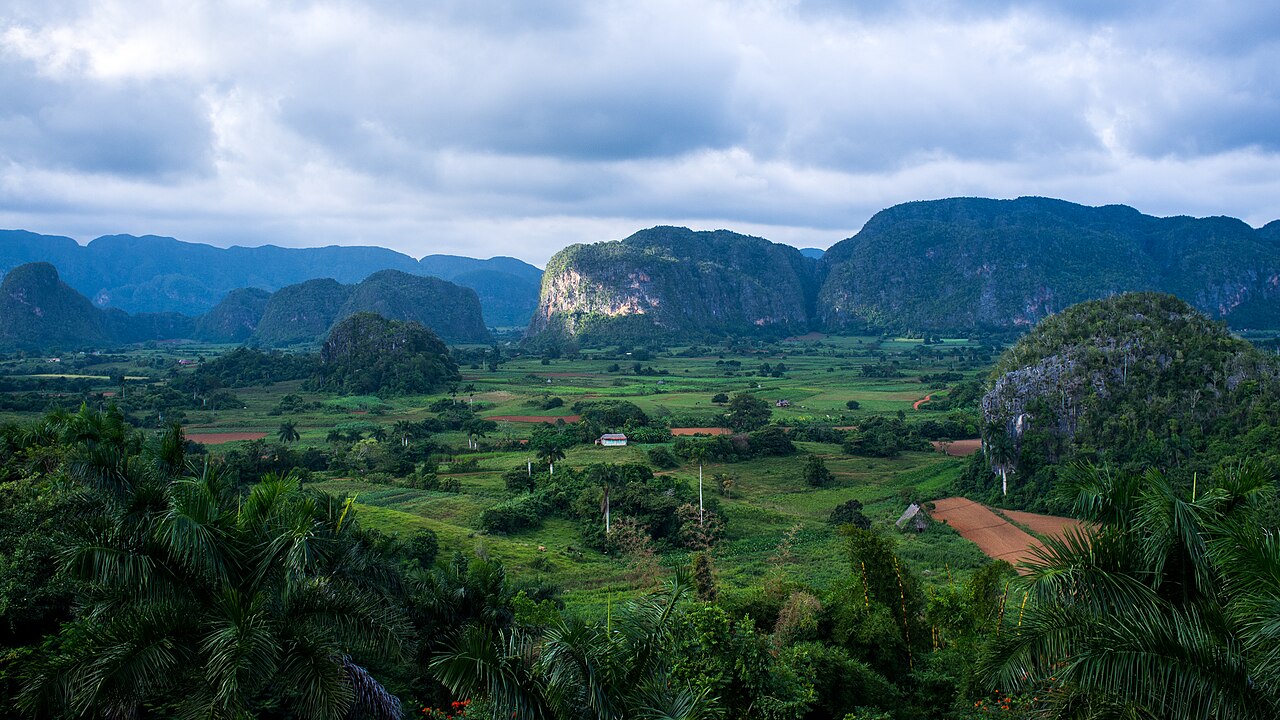
The valley UNESCO listed in 1999 partly for its traditional agriculture: tobacco still grown by hand between the mogotes.
Municipalities: Viñales
Open on the mapThe shade-grown district near Havana, worked for wrapper leaf rather than filler.
Municipalities: Artemisa, San Antonio de los Baños
Open on the mapThe central belt around Remedios, the island's second tobacco country and much older as a settled district than the west.
Municipalities: Remedios, Camajuaní, Placetas
Open on the mapReal, mapped places where the work happens — factories, curing barns, estates, quarries. Each one opens on the atlas map at its own coordinate.
Havana
The 1845 works behind the Capitolio, its rolling galleries upstairs.
Pinar del Río
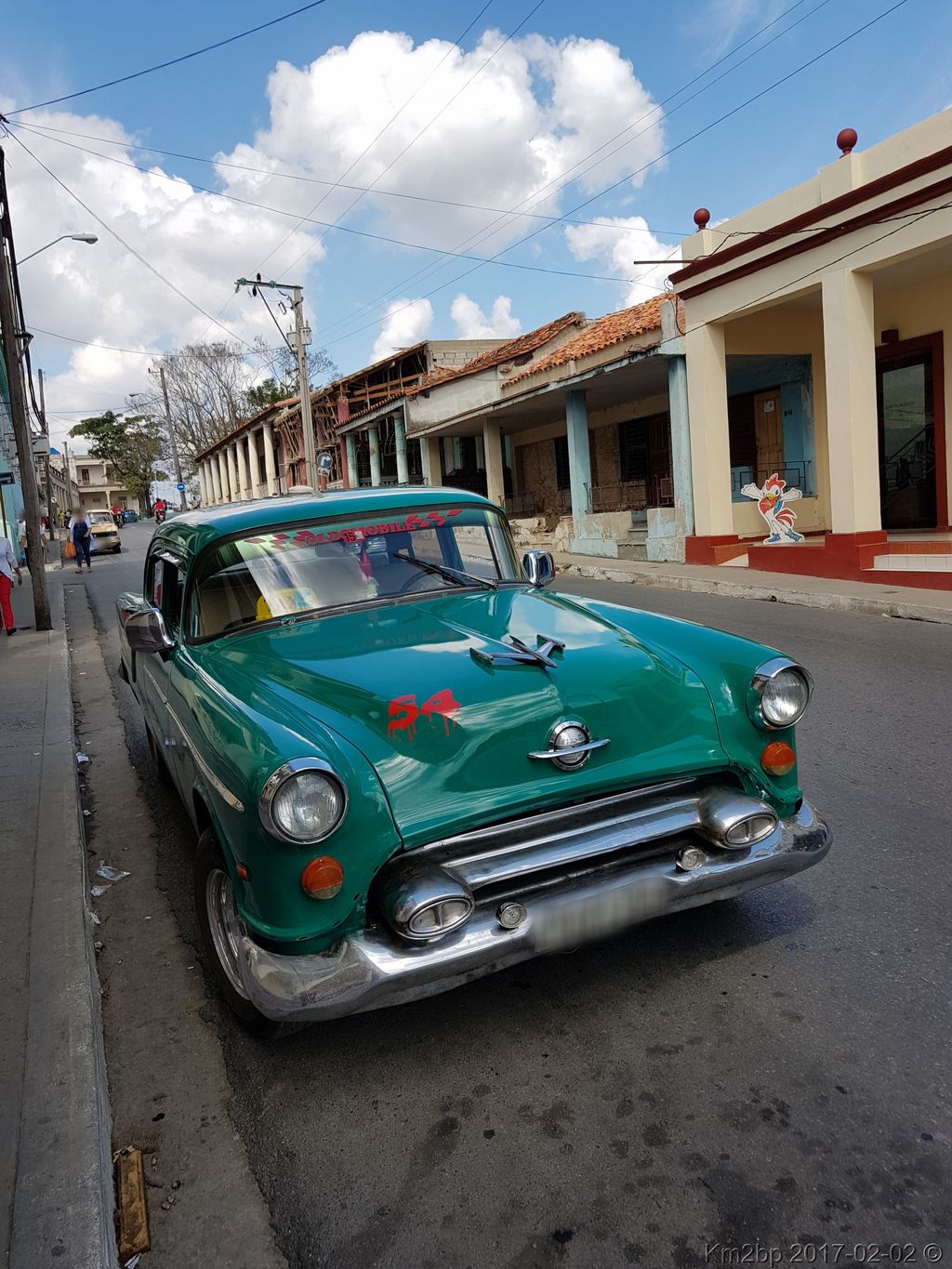
A town factory in the capital of Vuelta Abajo, its floor open to visitors.
Viñales
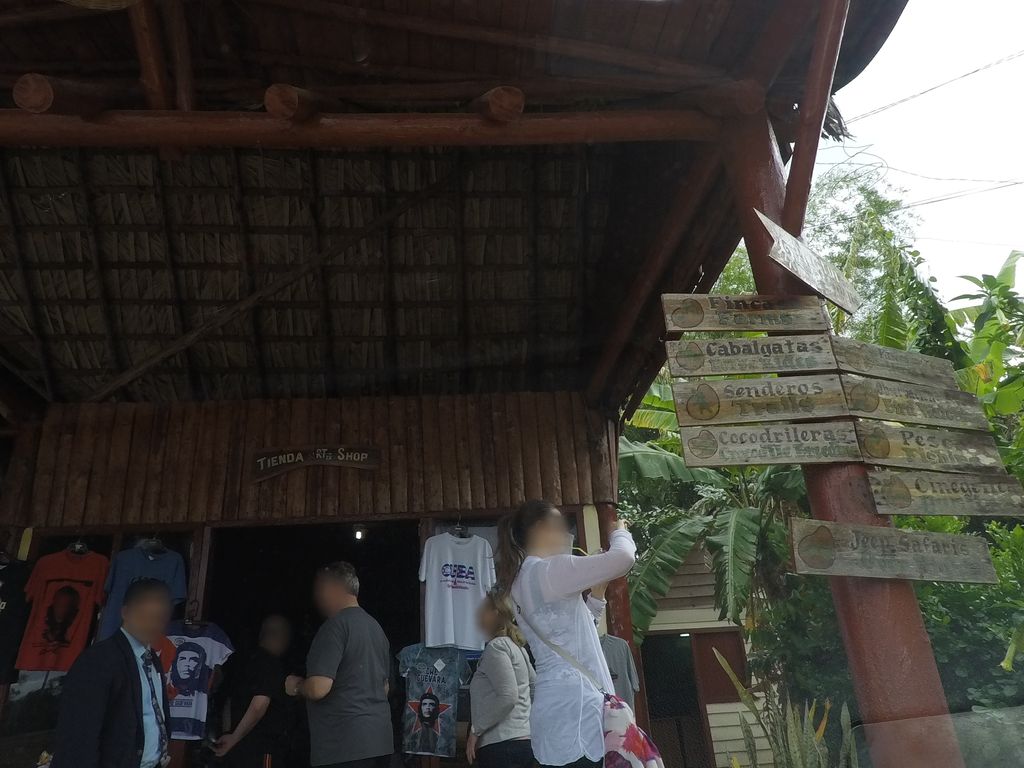
A grower's yard and curing barn on the valley road.
San Juan y Martínez
The sorting shed on the tobacco route through Vuelta Abajo.
Havana
The Havana works of the house founded in 1875.
Santa Clara
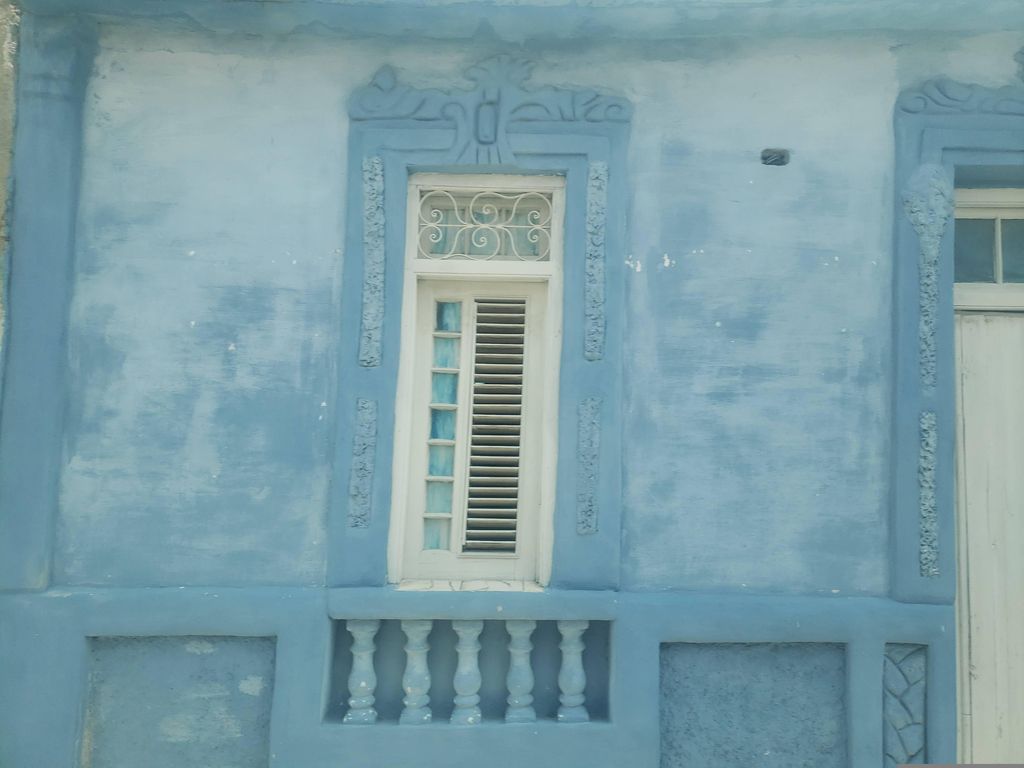
Vuelta Arriba's own factory, in the middle of Santa Clara.
Counters, markets and shops you can actually walk into, with the town each one is in.
Havana
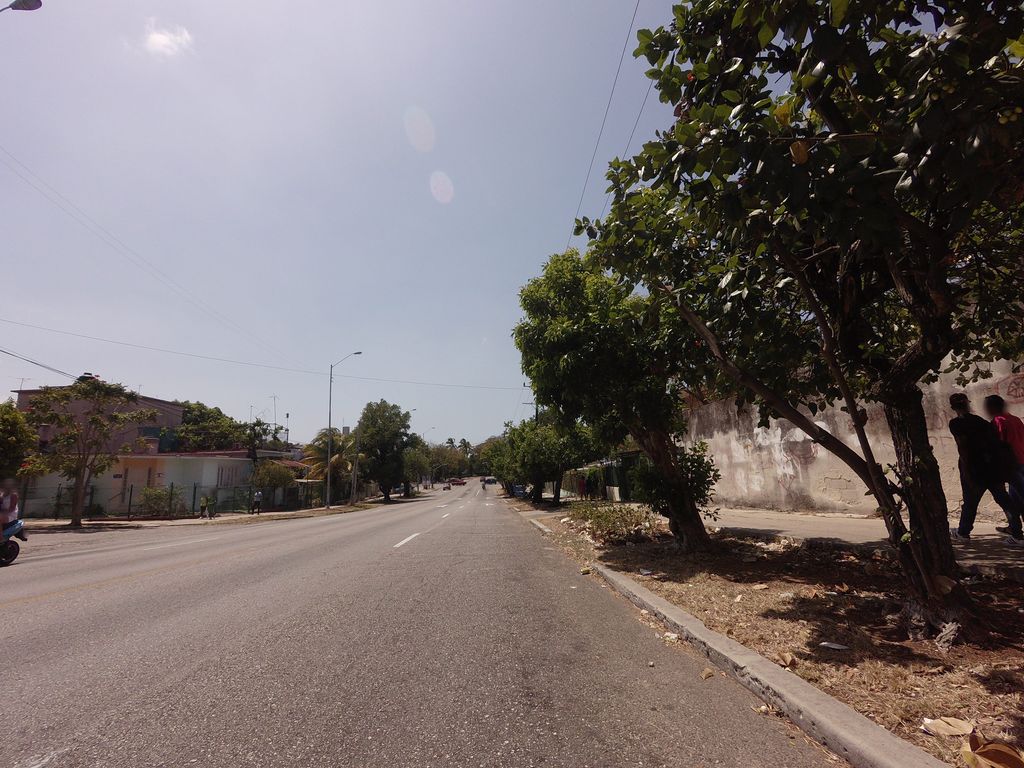
Havana's craft market — the island's biggest souvenir floor.
The museums, trails and music halls that grew up around it.
Viñales
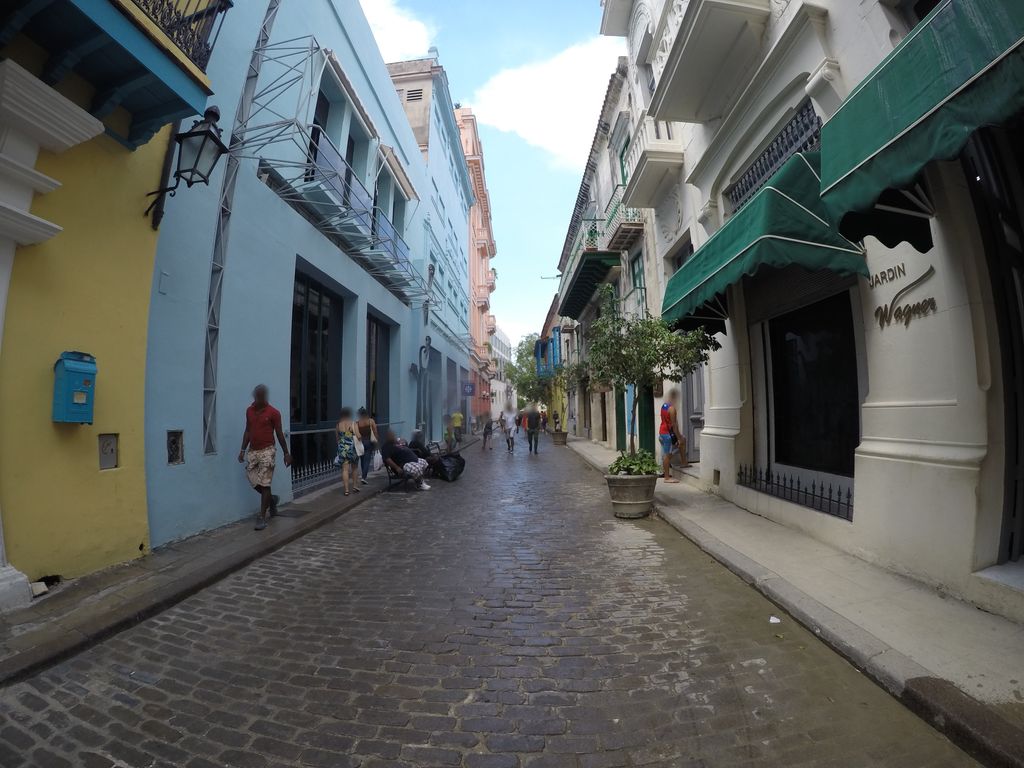
The painted cliff face above the tobacco fields.
Havana
Live music and long tables in the old harbour tobacco warehouse.
Places from OpenStreetMap contributors (ODbL). Information only — CubaAtlas maps these places, it does not represent or transact with any of them.
Founding dates and the town each house started in. Later ownership is another subject; this is where they began.
founded · Havana
The oldest house still trading under its own name.
founded · Havana
Named for the London magazine, and aimed at its readers.
founded · Havana
Founded by a German banker who shipped cigars to his clients in cedar boxes.
founded · Havana
Its Havana factory has worked on the same street behind the Capitolio since the 1840s.
founded · San Juan y Martínez
Named for a single vega — the hoyo, the hollow, where the best leaf grows.
founded · Havana
Took its name from the play and, for decades, had a reader reciting it on the factory floor.
founded · Havana
A small house that never grew, which is much of its reputation.
founded · Havana
Named after the Dumas novel the factory readers were working through at the time.